
Alberta Votes to Stay in Canada: What the Referendum Means for the Country
Albertans overwhelmingly reject a move toward separation, reinforcing national unity amid economic uncertainty and tensions with the United States.

October 21, 2026 | Alberta, Canada
Albertans have voted overwhelmingly to remain part of Canada, rejecting a proposal that could have opened the door to the province's independence.
In the historic referendum held on October 19, approximately 75% of voters supported remaining in Canada, while about 25% favoured beginning the process toward a future independence referendum, according to unofficial results.
The outcome marks a significant moment for Canadian unity as the country faces ongoing trade disputes with the United States.
What Was the Referendum About?
The referendum asked Albertans whether they wanted to remain part of Canada or have their provincial government begin the legal process toward holding a future binding referendum on separation.
It was not a direct vote for independence. Instead, voters were deciding whether Alberta should continue as a Canadian province or take the first steps toward a possible separation.
The question was one of ten non-binding questions included in Alberta's October 19 referendum.
Why Did Alberta Hold a Referendum?
Alberta has experienced longstanding disagreements with Ottawa over energy policies, federal regulations, and control over natural resources.
Supporters of independence argue that Alberta could gain greater economic and political control by separating from Canada. Opponents warn that independence could create uncertainty over trade, public services, Indigenous treaties, and economic stability.
Premier Danielle Smith's government held the referendum amid growing discussions about provincial autonomy and separatist movements.
How Did Canadian Leaders Respond?
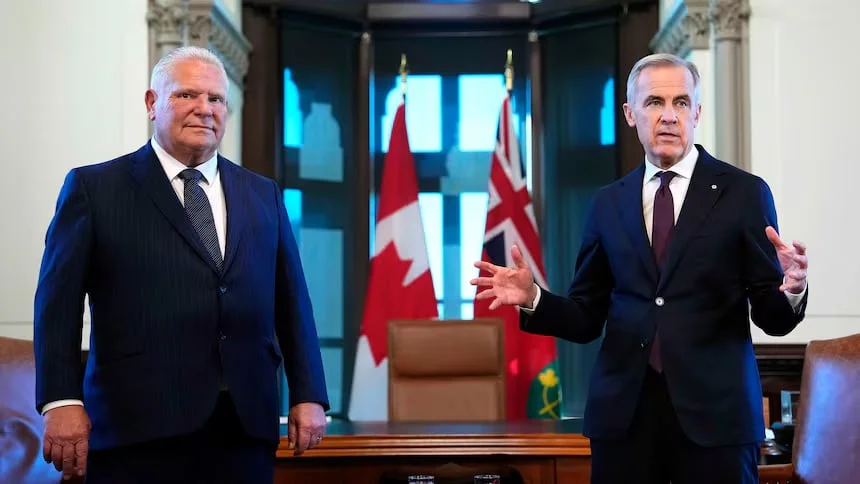
Prime Minister Mark Carney welcomed the results, emphasizing the importance of Canadian unity and cooperation between governments.
Premier Danielle Smith also acknowledged the outcome and indicated that she would not hold another separation referendum during her time as premier.
Despite the result, separatist groups have indicated that they intend to continue advocating for Alberta's independence.
What Does This Mean for Canada?
The referendum demonstrates that a substantial majority of participating Albertans prefer remaining within Canada rather than beginning a process toward separation.
Alberta plays an important role in Canada's economy through oil and natural gas production, agriculture, and international trade.
Remaining within Confederation preserves the province's existing economic relationships, including interprovincial trade and participation in federal institutions.
However, the vote does not resolve disagreements between Alberta and Ottawa over pipelines, environmental regulations, and provincial autonomy.
What Happens Next?
With the separation proposal rejected, attention is expected to return to Alberta's economic priorities and its relationship with the federal government.
Although the referendum represents a setback for the separatist movement, debates over provincial rights and federal policies are likely to continue.
For now, the results indicate that approximately three-quarters of participating Albertans want their province to remain part of Canada.
Sources: